
Personal Care Surfactants
for Skin Care, Hair Care, and Cleansers
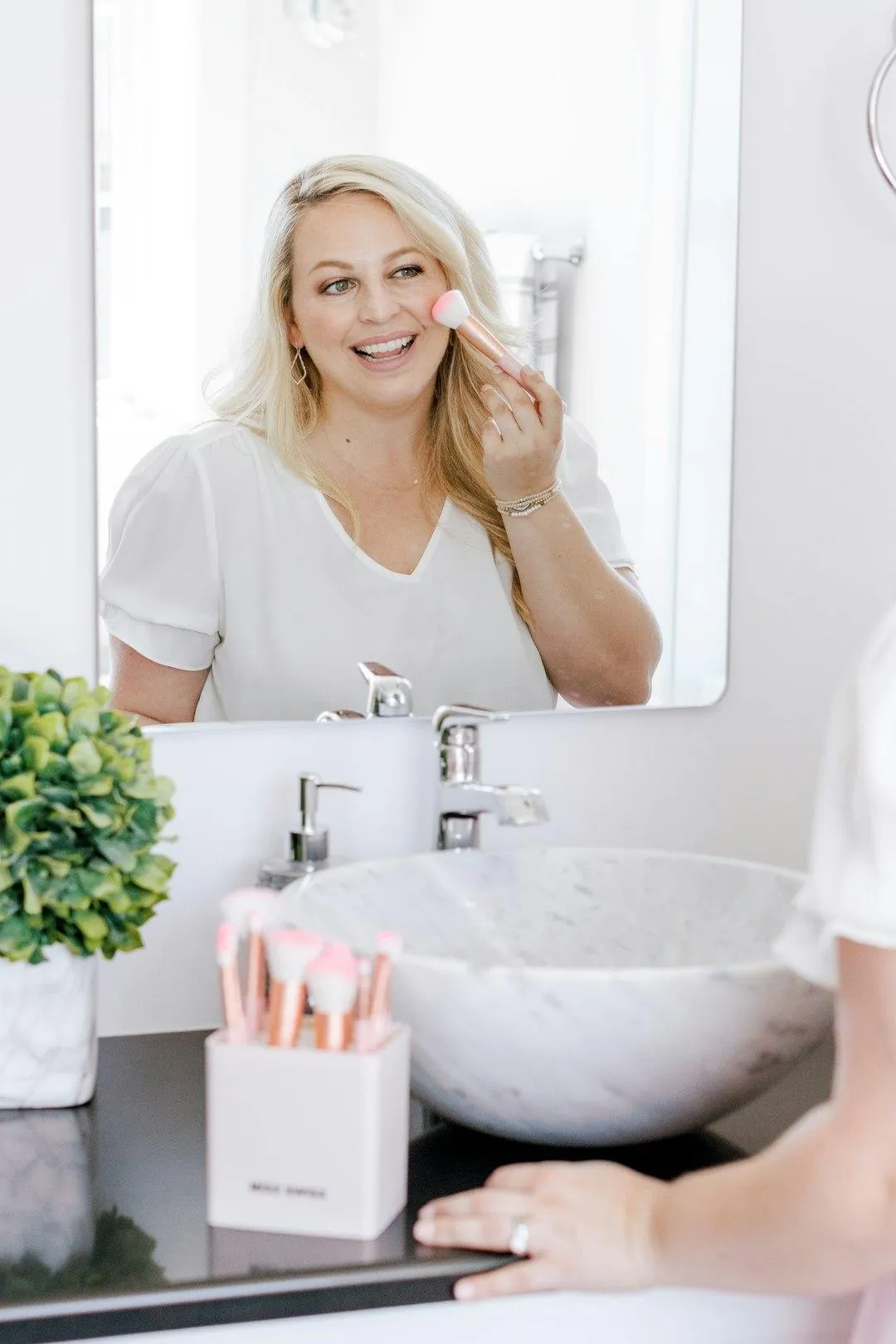
Personal Care Surfactant Applications
The performance of modern personal care products depends heavily on surface chemistry. Surfactants play a central role in cleansing, foaming, emulsification, conditioning, and product stability across a wide range of cosmetic formulations.
From shampoos and facial cleansers to body washes and creams, surfactants control how ingredients interact with water, oils, skin, and hair surfaces.
PriceTech Group (PTG) supplies a versatile portfolio of surfactant chemistries used by cosmetic formulators to design high-performance personal care products.
Our ingredients support applications including:
Hair care formulations
Facial cleansers
Body washes and shower gels
Sulfate-free cleansing systems
Mild baby care formulations
Creams and emulsions
Solubilized fragrance systems
PTG surfactants provide formulators with flexibility, mildness, and performance while maintaining compatibility with modern cosmetic formulation trends.
The Role of Surfactants in Personal Care Products
Surfactants enable many of the core functions consumers expect from personal care products.
Key performance mechanisms include:
Cleansing and Soil Removal
Surfactants reduce surface tension and form micelles that lift oils, dirt, and impurities from skin and hair, allowing them to be rinsed away with water.
Foam Generation
Foam is an important sensory characteristic for many personal care products. Surfactants generate and stabilize foam that enhances the user experience.
Emulsification
Surfactants stabilize mixtures of oil and water, allowing creams and lotions to maintain uniform texture and performance.
Conditioning and Softness
Certain surfactants deposit conditioning agents onto hair and skin surfaces to improve feel and manageability.
Solubilization
Fragrances, essential oils, and hydrophobic ingredients can be dispersed into water-based formulations using surfactants and hydrotropes.
Key Personal Care Applications
Hair Care Formulations
Hair care products rely on carefully balanced surfactant systems to provide effective cleansing while maintaining hair softness and manageability.
Surfactants help remove excess oils, styling product residues, and environmental contaminants from the scalp and hair fibers.
Common systems include:
Primary cleansing surfactants
Amphoteric surfactants for mildness
Foam boosters for improved lather
Conditioning agents for hair smoothness
These ingredients are used in products such as:
Shampoos
Sulfate-free shampoos
Conditioning shampoos
Clarifying shampoos
Skin Cleansers and Facial Washes
Facial cleansers require surfactant systems that balance effective cleansing with low irritation potential.
Amphoteric and mild nonionic surfactants are frequently used to create gentle cleansing systems suitable for sensitive skin.
Benefits include:
Effective removal of oils and makeup
Mild cleansing for daily use
Soft skin feel after rinsing
Body Wash and Shower Gel Systems
Body washes rely on surfactant blends to create rich foam and effective cleansing while maintaining skin comfort.
Formulators often combine multiple surfactant types to achieve:
Stable foam
Mild cleansing
Improved viscosity
Pleasant sensory experience
Amphoteric surfactants such as betaines are commonly used to improve mildness and foam stability.
Sulfate-Free Cleansing Systems
Consumer demand for sulfate-free products continues to grow across hair and skin care categories.
Alternative surfactant systems provide gentle cleansing while maintaining foam performance.
These formulations often rely on:
Amphoteric surfactants
Mild nonionic surfactants
Foam boosters and viscosity modifiers
Such systems allow formulators to create mild cleansing products with improved skin compatibility.
Creams and Emulsion Systems
Many skin care products are emulsions that combine oil and water phases into a stable formulation.
Surfactants act as emulsifiers, stabilizing these mixtures and preventing phase separation.
Applications include:
Moisturizing creams
Body lotions
Cosmetic emulsions
Sunscreen formulations
Fragrance and Oil Solubilization
Fragrance oils and essential oils are hydrophobic and do not naturally disperse in water-based formulations.
Hydrotropes and solubilizing surfactants allow formulators to incorporate these ingredients into clear formulations such as:
Facial mists
Toners
Body sprays
Cosmetic serums
PTG Surfactant Chemistry Platform
PriceTech Group offers a broad selection of surfactant chemistries used across personal care formulations.
Betaines and Amphoteric Surfactants
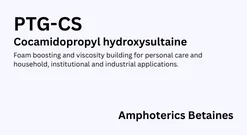
Betaines provide excellent foam stability and mildness, making them widely used in shampoos, body washes, and facial cleansers.
Amine Oxides
Amine oxides are commonly used as foam boosters and viscosity enhancers in cleansing formulations.
Alkanolamides
Alkanolamides improve foam stability and provide viscosity building properties in surfactant systems.
Sulfosuccinates
Sulfosuccinates are known for their mildness and fast wetting properties and are often used in gentle cleansing systems.
Hydrotropes
Hydrotropes improve the solubility of fragrances and hydrophobic ingredients in aqueous formulations.
Phosphate Esters
Phosphate ester surfactants can function as wetting agents and emulsifiers in specialty cosmetic formulations.
Performance Benefits
PTG surfactants help cosmetic formulators achieve performance goals while maintaining formulation flexibility.
Advantages include:
Mild cleansing performance
Stable foam systems
Improved viscosity control
Excellent compatibility with other cosmetic ingredients
Flexible formulation design
Reliable ingredient quality
These benefits support the development of modern personal care products that meet consumer expectations for performance and sensory experience.
Why Work with PriceTech Group
Developing successful personal care formulations requires high-quality ingredients and consistent supply.
PriceTech Group supports formulators with:
A diverse portfolio of surfactant chemistries
Reliable ingredient manufacturing
Consistent product quality
Flexible formulation support
Scalable supply for global production
Our ingredients serve as building blocks for innovative personal care products across multiple cosmetic categories.



Markets We Serve
Specialized surfactant solutions across diverse market sectors, each backed by technical expertise and proven formulations.


Certified
ISO 9001:2015

Certified
ISO 14001
Certified
GMP Certified Facility Acess