Surfactant Chemistry for Cleaning, Personal Care & Industrial Formulations
Introduction
Surfactants are the workhorses of modern formulation, the reason a shampoo foams, a cleaner degreases, and an emulsion stays stable. Their unique structure (a water-loving head, an oil-loving tail) lets them bridge water and oils, lift soils off surfaces, and keep them suspended in solution. That dual nature makes surfactants indispensable in personal care, cleaning, and industrial applications. PriceTech Group supplies the specialty surfactant chemistries formulators need to build high-performance products.
How Surfactants Work
Water beads on surfaces because of surface tension. Surfactants break that tension, wetting surfaces, surrounding oily soils, and pulling them into solution via micelles. At low concentrations, surfactant molecules align at the oil-water interface. As concentration increases, they self-assemble into micelles: oil trapped in the core, hydrophilic heads facing outward into water. This mechanism drives detergency, emulsification, and solubilization of materials that water alone can’t touch.
Major Types of Surfactants
Surfactants are classified by the charge on their hydrophilic head group. The head-group charge affects cleaning performance, foaming behaviour, compatibility with other ingredients and environmental profile.
Anionic Surfactants
Anionic surfactants carry a negatively charged head group. They are highly effective at removing dirt and grease and are widely used in laundry detergents, dishwashing liquids and shampoos. Examples include sodium lauryl sulfate (SLS) and sodium laureth sulfate (SLES), which create rich foam and break down oils.
Cationic Surfactants
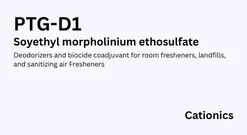
Cationic surfactants have a positively charged head group. They exhibit antimicrobial activity and bind to negatively charged surfaces, making them valuable in fabric softeners, hair conditioners, antistatic agents, and disinfectants. Quaternary ammonium compounds (quats), such as benzalkonium chloride, are key examples. They act on microbial cell membranes and are effective against many bacteria, enveloped viruses and fungi. Note that quats are incompatible with anionic surfactants and can be inactivated by organic soils, an important formulation consideration. PriceTech Group supplies a range of cationic and quat chemistries for these applications.
Non-ionic Surfactants
Non-ionic surfactants lack an electrical charge. They are valued for their compatibility with other ingredients and their ability to stabilize emulsions. Non-ionics are common in cosmetics and mild cleansers for sensitive skin because they are less affected by water hardness and produce low to moderate foam. Examples include ethoxylates (e.g., Tween 20) and alkoxylates. Non-ionics are excellent at emulsifying oils and are often combined with anionics to create dual-action cleansers.
Amphoteric (Zwitterionic) Surfactants
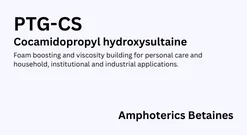
Amphoteric surfactants contain both positive and negative charges within the same molecule, giving them a net charge of zero. Their charge depends on pH, behaving more like cationics in acidic conditions and more like anionics in alkaline conditions. Amphoterics are very mild and are used in personal-care products such as shampoos and body washes to boost foam and reduce irritation. Examples include cocamidopropyl betaine and sulfobetaine.
Functional Roles of Surfactants in Formulations
Surfactants do much more than simply clean. To see how these roles combine in practice: in a typical detergent, an anionic surfactant provides cleaning and foam, a non-ionic emulsifies oily soils, and a hydrotrope maintains stability in the high-alkaline formulation. Key functions include:
• Detergency and soil removal: Surfactants lift oils and particles off surfaces, suspend them in solution and prevent re-deposition. This is why they are core components of detergents and cleaners.
• Emulsification: By lowering interfacial tension, surfactants enable the formation and stabilization of emulsions, allowing oil-in-water or water-in-oil mixtures to remain stable.
• Foaming and defoaming: Surfactants generate foam by forming elastic films around air bubbles. Foaming agents create rich lathers in personal-care products; defoamers prevent excessive foam in industrial processes.
• Suspending and dispersing: In pesticide formulations and mineral processing, surfactants help wet solids and keep particles suspended in water.
• Antimicrobial action: Cationic surfactants such as quats disrupt microbial cell membranes and are used as disinfectants.
• Wetting: Surfactants reduce the surface tension of water, allowing it to spread and penetrate surfaces more easily, essential for cleaning and coating applications.
• Solubilizing and hydrotroping: Some surfactants (especially phosphate esters and hydrotropes) increase the solubility of hydrophobic substances in water.
• Corrosion inhibition and lubricity: Certain surfactant classes (e.g., phosphate esters) impart lubricity and corrosion inhibition to metal surfaces.
Industries and Applications
Because of their diverse functions, surfactants are ubiquitous across many industries:
• Household & Institutional Cleaning: Laundry detergents, dishwashing liquids, all-purpose cleaners and disinfectants rely on blends of anionic, non-ionic and cationic surfactants to remove soils, emulsify grease and provide foam.
• Personal Care: Shampoos, body washes, facial cleansers and cosmetics use mild surfactants such as amphoterics and sulfosuccinates to cleanse gently and create a pleasing lather.
• Vehicle Wash & Detailing: High-foaming surfactants (anionic and amphoteric) lift road film and dirt from vehicles while providing lubrication.
• Pet Care: Surfactants are used in pet shampoos and grooming products to clean fur and skin without irritation.
• Odor Control: Surfactants emulsify and neutralize odor-causing compounds, serving as the functional base in deodorizing formulations.
• Oilfield & Industrial Processes: Surfactants act as wetting agents, corrosion inhibitors and emulsifiers in drilling fluids, enhanced oil recovery and metal cleaning.
• Agricultural & Pesticide Formulations: They help disperse and wet active ingredients, improving application efficiency.
Surfactant Families Offered by PriceTech Group
PriceTech Group supplies a diverse range of specialty surfactants. Each family has unique chemistry and application benefits. Our technical team works directly with formulators to match the right chemistry to your application, from initial concept through scale-up.
Amine Oxides
Need better foam and thicker texture without adding harshness? Amine oxides are a go-to co-surfactant for exactly that. Derived from fatty amines, they boost foam, build viscosity, and stabilize fragrances, and they’re pH-flexible, behaving as non-ionic at neutral or high pH and cationic in acidic conditions. Coco amido propyl amine oxide and lauryl amine oxide are key examples.
Applications: hand soaps, dishwashing liquids, laundry detergents, shower gels, bleach cleaners and industrial cleaners.
Amphoteric Surfactants / Betaines
Looking for mildness, foam stability, and broad compatibility in a single ingredient? Betaines deliver all three. Derived from natural sources such as coconut oil, cocamidopropyl betaine is biodegradable, pH-flexible (6–8), and compatible with anionic and non-ionic surfactants. These properties make betaines a top choice for natural and organic formulations.
Applications: shampoos, body washes, facial cleansers, pet shampoos, mild detergents and baby care products.
Sulfosuccinates
For formulators building sulfate-free or sensitive-skin products, sulfosuccinates offer gentle yet effective cleansing. Their larger molecular structure means they are less likely to penetrate skin compared to SLS, delivering foam and cleansing with significantly lower irritation potential. Disodium laureth sulfosuccinate is a widely used example.
Applications: sulfate-free personal-care products, facial cleansers, baby shampoos, and high-performance cleansers where mildness is required.
Phosphate Esters
When your formulation demands more than a single-function surfactant, phosphate esters are worth a close look. Unlike most anionics, they can simultaneously defoam, hydrotrope, lubricate, and inhibit corrosion, making them particularly valuable in demanding industrial environments. Produced by reacting an ethoxylated alcohol with a phosphorylating agent, they tolerate high electrolytes and perform across both acidic and alkaline pH ranges.
Applications: metal cleaners, high-alkaline or acidic industrial cleaners, degreasers, emulsifiers for oils and lubricants, corrosion-inhibiting formulations and agricultural adjuvants.
Hydrotropes and Surfactant Blends
Struggling with cloud point or stability in high-alkaline or acidic systems? Hydrotropes solve that, and much more. They increase the solubility of surfactants and hydrophobic ingredients, raise cloud point, and contribute wetting and detergency. PTG’s multifunctional hydrotropes reduce the number of additives needed in a formulation, enabling clear, stable products across a wide temperature range. Our technical team can recommend the right hydrotrope system for your specific pH range and application.
Applications: high-alkaline spray cleaners, acidic descaling solutions, industrial degreasers, oven cleaners, fire-fighting foams and any formulation requiring improved solubility and stability.
Quaternary Ammonium Compounds (Quats)
When antimicrobial performance or surface conditioning is the goal, quats are the chemistry of choice. As cationic surfactants with a permanent positive charge, they adhere to negatively charged surfaces, textiles, hair, and bacterial cell membranes, delivering antistatic, fabric-softening, and disinfecting effects simultaneously. They are commonly used to sanitize non-critical instruments and hard surfaces.
Applications: fabric softeners, hair conditioners, antistatic agents, disinfectants and sanitizers, odor-control products and antimicrobial formulations.
Frequently Asked Questions (FAQ)
What do surfactants actually do in a cleaning product?
Surfactants lower the surface tension of water, allowing it to wet surfaces more effectively. They surround greasy soils with their hydrophobic tails and pull them into solution via their hydrophilic heads, enabling detergency and emulsification. Surfactants also contribute foaming, wetting, solubilizing and dispersing actions.
What is the difference between anionic and non-ionic surfactants?
Anionic surfactants carry a negative charge and are excellent at lifting and suspending particulate soils, producing abundant foam. Non-ionic surfactants are neutral; they excel at emulsifying oils, are less sensitive to water hardness and are often used in gentle cleansers. Many formulations use a blend of both to balance cleaning performance and mildness.
Why choose mild surfactants like sulfosuccinates or betaines?
Sulfosuccinates such as disodium laureth sulfosuccinate have larger molecules and cannot penetrate the skin as readily as SLS, providing gentle cleansing and foam suitable for sensitive skin. Betaines are biodegradable and boost foam while maintaining low irritation. These properties make them the preferred choice for baby shampoos, facial cleansers and sulfate-free personal-care products.
How do hydrotropes improve cleaning formulations?
Hydrotropes increase the solubility of surfactants and hydrophobic ingredients, raise the cloud point and enhance stability in highly alkaline or acidic systems. Multifunctional hydrotropes from PTG also contribute wetting, detergency and corrosion inhibition, reducing the number of additives needed in a formulation. Our technical team can help identify the right hydrotrope system for your specific pH range and application.
How do I know which surfactant is right for my formulation?
Choosing the right surfactant system depends on your application, target pH, foam requirements, skin compatibility needs, and compatibility with other ingredients. PriceTech Group’s technical team works directly with formulators, not through a sales layer, to recommend the right chemistry for your specific product. Reach out and we’ll help you get it right.
Conclusion
Surfactants are the workhorses of modern cleaning, personal-care and industrial formulations. Their amphiphilic nature allows them to reduce surface tension, form micelles and perform multiple functions such as detergency, emulsification, foaming, wetting, dispersing and corrosion inhibition. Classification based on head-group charge (anionic, cationic, non-ionic and amphoteric) helps formulators choose the right surfactants for each application. Specialty families such as amine oxides, betaines, sulfosuccinates, phosphate esters, hydrotropes and quaternary ammonium compounds offer distinct properties to address specific formulation challenges, from mild personal-care products to high-performance industrial cleaners.
PriceTech Group’s technical team works alongside formulators to select and optimize the right surfactant chemistry for each application, from initial development through scale-up. We’re ready to help when you are.


Markets We Serve
Specialized surfactant solutions across diverse market sectors, each backed by technical expertise and proven formulations.


Certified
ISO 9001:2015

Certified
ISO 14001
Certified
GMP Certified Facility Acess