Oilfield Surfactants
for Flowback, Foamers, and Drilling Systems

Oil & Gas Surfactant Applications
Modern oilfield operations rely heavily on surface chemistry control to improve drilling efficiency, accelerate well cleanup, and maximize hydrocarbon recovery.
Surfactants play a critical role in these systems by controlling the interactions between oil, water, gas, rock, and drilling fluids. Properly selected surfactants reduce surface and interfacial tension, alter rock wettability, stabilize foams, and improve the mobility of trapped hydrocarbons.
PriceTech Group (PTG) supplies a broad range of surfactant building blocks used by oilfield service companies and chemical formulators to design products for drilling, stimulation, and production systems.
Our chemistries support applications including:
Flowback aid formulations
Gas well deliquification foamers
Foam drilling systems
Acidizing and foam diversion
Drilling fluid lubricity systems
Enhanced oil recovery (EOR)
Oilfield equipment cleaning and degreasing
Rather than selling finished oilfield packages, PTG supplies high-performance surfactant raw materials used by formulators to build advanced oilfield chemical systems.
The Role of Surfactants in Oilfield Systems
Oilfield fluids operate in complex environments where oil, water, gas, minerals, and high pressures interact simultaneously. Surfactants modify these interactions to improve operational performance.
Key functions include:
Surface Tension Reduction:
Reducing surface tension allows fluids to spread more effectively through rock pores and wellbore surfaces, improving fluid recovery and cleanup.
Interfacial Tension (IFT) Control:
Lowering IFT between oil and water helps mobilize trapped hydrocarbons and enhances fluid displacement during stimulation and enhanced oil recovery processes.
Wettability Alteration:
Surfactants can change rock surfaces from oil-wet to water-wet, allowing injected fluids to displace hydrocarbons more efficiently.
Foam Generation and Stability:
Foaming surfactants create stable gas-liquid foams used in drilling, well unloading, and stimulation diversion.
Emulsion Control:
Surfactants can stabilize or break emulsions depending on formulation design, improving fluid separation and surface processing.
These mechanisms are critical in well cleanup, production optimization, and reservoir stimulation operations.
Key Oilfield Surfactant Applications
Flowback Aids and Well Cleanup
After hydraulic fracturing or stimulation treatments, large volumes of fluid remain in the wellbore and formation. Efficient removal of these fluids is necessary to restore hydrocarbon production.
Surfactant-based flowback aids help:
Reduce capillary pressure
Break water blocks in tight formations
Improve recovery of fracturing fluids
Accelerate well cleanup
Common chemistries include sulfosuccinate wetting agents such as DOSS, which provide strong surface tension reduction and wetting performance.
Benefits include:
Faster return of injected fluids
Reduced formation damage
Improved early production rates
Foam Drilling Systems
Foam drilling is commonly used in underbalanced drilling environments and formations sensitive to fluid invasion.
Surfactants generate stable foams that:
Carry cuttings to the surface
Reduce hydrostatic pressure
Improve drilling efficiency
Foam drilling systems require surfactants capable of maintaining stability under high salinity and temperature conditions.
Gas Well Deliquification Foamers
In gas wells, accumulated liquids can block gas flow and reduce production. Foaming surfactants help lift liquids to the surface by generating stable gas-liquid foam.
Typical foaming surfactants include:
Betaines
Hydroxysultaines
Amine oxides
These amphoteric surfactants perform well across varying water chemistries and condensate levels.
Operational benefits include:
Improved gas flow
Reduced liquid loading
Increased well productivity
Acidizing and Foam Diversion
Foam diversion techniques are used during acid stimulation to redirect treatment fluids into lower-permeability zones.
Foaming surfactants improve:
Diversion efficiency
Reservoir contact
Stimulation coverage
Stable foam systems help ensure acid reaches targeted zones within the formation.
Chemical Enhanced Oil Recovery (EOR)
Surfactant flooding is a chemical EOR method used to mobilize residual oil trapped in porous rock formations.
Surfactants reduce interfacial tension between oil and water and may alter rock wettability to improve oil displacement efficiency.
Potential benefits include:
Increased hydrocarbon recovery
Improved sweep efficiency
Reduced residual oil saturation
Drilling Fluid Lubricity Systems
Drilling fluids must provide lubrication to reduce friction between the drill string and the wellbore.
Certain surfactant systems, including phosphate ester-based additives, help reduce torque and drag in water-based drilling fluids.
Key performance attributes include:
Improved lubricity
Reduced mechanical wear
Improved drilling efficiency
Oilfield Degreasing and Equipment Cleaning
Oilfield equipment and infrastructure accumulate heavy hydrocarbons, drilling fluids, and scale.
Surfactant-based degreasers improve cleaning efficiency by:
Solubilizing hydrocarbons
Dispersing solids
Enhancing wetting and penetration
These systems are commonly used for:
Tank cleaning
Equipment maintenance
Surface facility cleaning
PTG Surfactant Chemistry Platform
PriceTech Group supplies multiple surfactant chemistries commonly used as building blocks for oilfield formulations.
Sulfosuccinates
High-performance wetting agents used in flowback aid systems to reduce surface tension and improve fluid recovery.
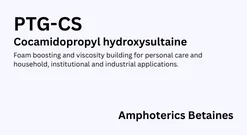
Betaines and Hydroxysultaines
Amphoteric surfactants known for foam stability and compatibility with complex brine systems.
Amine Oxides
Foam boosters and detergency enhancers used in foaming and cleaning systems.
Alkanolamides
Foam stabilizers and viscosity modifiers used in detergent and foam systems.
Phosphate Esters
Surface-active lubricity agents used in drilling fluid formulations.
Hydrotropes and Degreasers
Solubilizing agents used in oilfield cleaning and equipment maintenance formulations.
Quaternary Ammonium Compounds
Surface-active compounds used in specialty oilfield formulations.
Why Work with PriceTech Group
Oilfield chemical systems must perform reliably under extreme conditions including high salinity, pressure, and temperature.
PTG provides a dependable supply of surfactant chemistries that support these demanding applications.
Our advantages include:
Broad surfactant chemistry portfolio
Reliable manufacturing and supply
Consistent product quality
Technical support for formulation development
Scalable supply for industrial customers
PTG works closely with chemical formulators and oilfield service companies to provide raw materials that support innovation in drilling, stimulation, and production chemistry.


Markets We Serve
Specialized surfactant solutions across diverse market sectors, each backed by technical expertise and proven formulations.


Certified
ISO 9001:2015

Certified
ISO 14001
Certified
GMP Certified Facility Acess